- writing date 2025.12.12
- author Communication Team
- hits 58
Ju-young Kim (School of Electrical Engineering 2020), Jae-young Park (College of Medicine 2020),
Byeol Kim (Department of Public Administration 2023), Seung-ju Kang (Department of English Language and Literature 2024),
Young-min Park (Department of Public Administration 2024), Chae-won Lee (Department of Chemistry 2025)

Founded in the late 1990s by students who gathered around a piano to share their love of music, TTP officially became a central student club in 2000 and now celebrates more than 25 years of history. Their regular concert held every semester is both the club’s hallmark and its festival. On a September afternoon tinged with the colors of autumn, we met the members of TTP as they prepared for their 50th regular performance.
Q. What kind of club is TTP?
Young-min TTP is often called “Korea University’s music college” because it brings together true piano enthusiasts. Our members come from various majors, but we all contribute to the concerts held each semester—not only as performers but also as staff or emcees. The club room is open 24 hours, so anyone can drop by to play the piano or share music. We also attend piano recitals together or go busking wherever there’s a public piano.
Q. What first drew you to the piano?
Young-min It started when I used to sneak into the music room next to my high school study hall to play the piano and relieve stress. After managing to finish an arrangement of Chopin’s “Black Keys,” I felt such a sense of accomplishment that I became completely absorbed.
Jae-young I fell in love with the piano after receiving loud applause at a recital in elementary school. I drifted away from it during my years in a boarding high school, but I wanted to reconnect with it in university.
Chae-won While preparing for college, I began seeking music that would put my mind at ease. That led me to classical piano pieces with diverse tones and colors, and I started listening to them often.
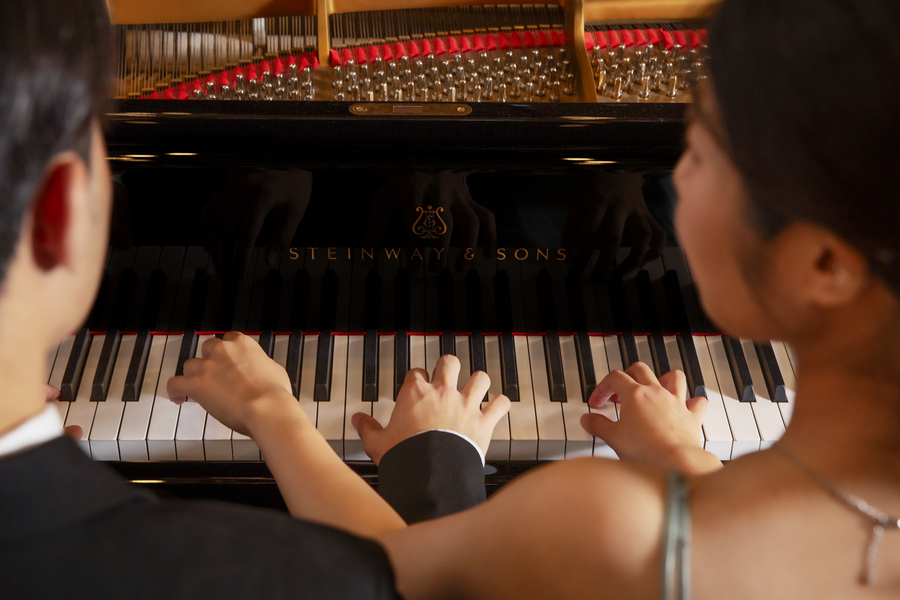
Q. How did the 50th regular concert feel?
Byeol Preparing for the performance, serving as both performer and emcee, and standing onstage, are memories I think I’ll carry for a long time. I have no regrets, so it feels refreshing.
Jae-young It was the most intense piano practice I’ve ever done—three full months. It was the first time I poured this much time and energy into a hobby, which makes the experience all the more meaningful.
Chae-won I thought I wouldn’t get nervous, but I guess my body felt differently. I accidentally pressed the wrong pedal at a part I never mess up, so I panicked for a moment. But I managed to regain the tempo and finish. After the concert, an audience member came up to me and said, “I’m meeting you for the first time, but I truly enjoyed your performance.” I was so happy.
Q. How do you choose your repertoire?
Jae-young I pick pieces that have that “wow” moment when you listen. Lately I’m drawn to emotionally rich music. Maybe this is what it means to get older as an upper-year student.
Seung-ju The most important factor is whether I genuinely love the piece. You need to love it to practice it for a long time.
Q. Who are your favorite musicians?
Byeol Beethoven. His ability to translate the story of his life into music is compelling. Someday I want to challenge myself with one of his late works, especially the Piano Sonata No. 29 Hammerklavier.
Seung-ju Nikolai Kapustin. His style is fascinating—jazz freedom within classical structure.
Chae-won I enjoy Chopin, who poured every emotion of his life into his works. My favorite interpreter is Dinu Lipatti. He recorded in the mid-20th century, and even the faint crackle of the old audio adds to the feeling.
Q. If there were a piano battle, what piece would you choose?
Seung-ju Kapustin’s Étude No. 1, Prelude. The shifting jazz rhythms would definitely lift the energy of the room.
Ju-young Something by Liszt. His works are technically dazzling and incredibly satisfying to play, perfect for a battle setting.
Chae-won Ravel’s La Valse. With a single piano embodying the capacity of an entire orchestra, it’s like bringing reinforcements onstage.
Q. If you had to compare yourself to a pianist, who would it be?
Jae-young While preparing for this concert, I listened to many performances of Winter Wind by Kissin, Yunchan Lim, and Hayato Sumino. Even in études, each pianist’s personality comes through so clearly. I’m still at the stage where I try my best to imitate the interpretations I admire, so I can’t compare myself to anyone yet.
Seung-ju I’m just an ordinary amateur who enjoys music. If someone hears me play and thinks, “I want to try piano too,” that alone would be enough.
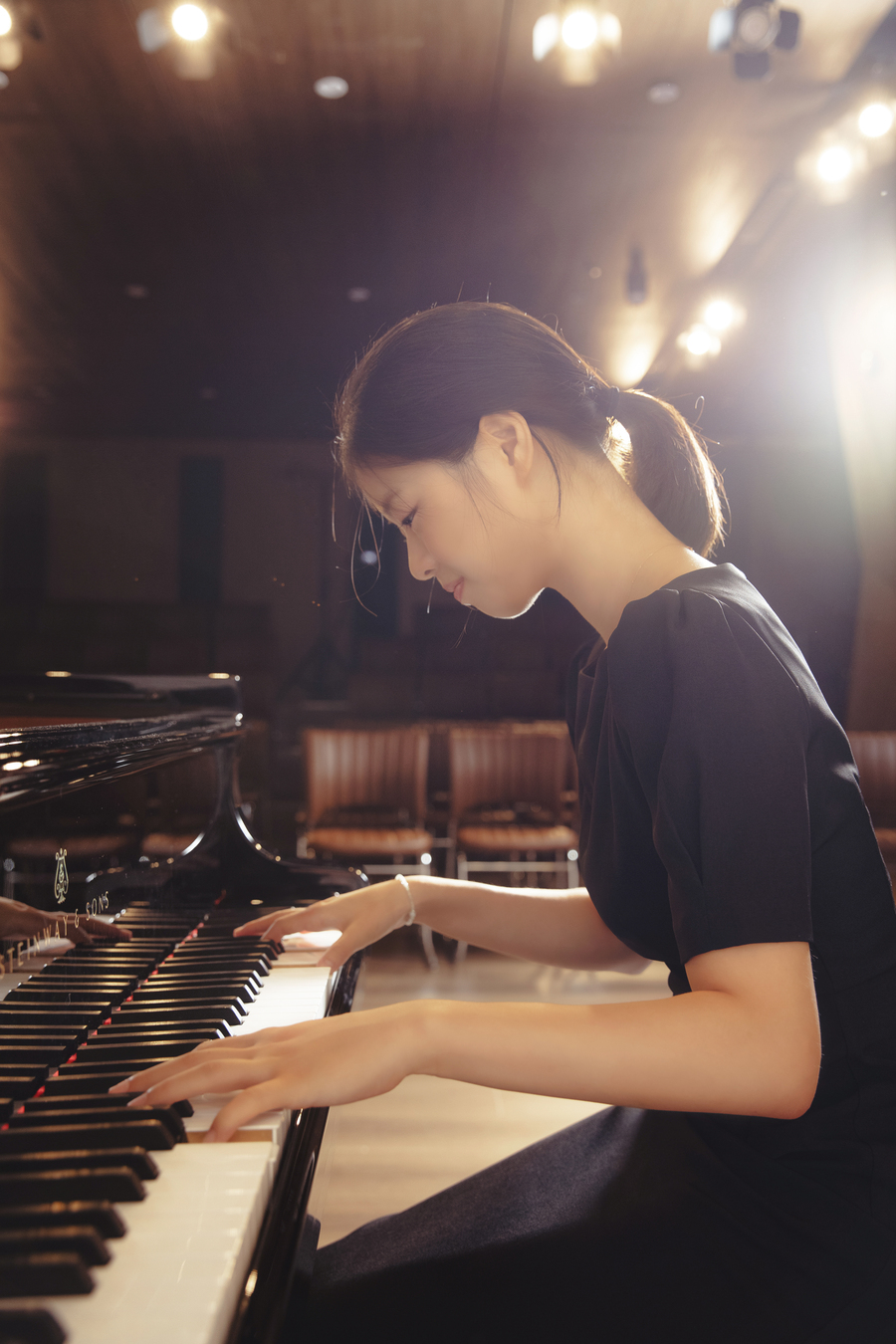
Q. Recommend a classical piece for autumn.
Chae-won Brahms’s Six Pieces for Piano, Op. 118. Listening to them in order paints a picture of autumn leaves changing color.
Young-min Chopin’s Ballades. They’re brilliant yet tinged with melancholy—perfect for the season.
Jae-young Saint-Saëns’s Danse Macabre. I imagine skeletons dancing among fallen leaves, so it always reminds me of autumn.
Q. A word for those who find classical music difficult?
Young-min Classical music is ultimately storytelling through emotion. Instead of analyzing, start by following the melody. You’ll find yourself drawn in before you know it.
Ju-young Classical music is difficult, but that’s why it has such depth. Once you begin to understand it, you discover new emotions and a new kind of listening pleasure. Joining the club isn’t hard, so feel free to drop by.
Chae-won I think of classical music as an auditory record of human life passed down over centuries. There are countless beautiful renditions and performers across eras. Why not explore and find one that fits your taste? Just come and enjoy it with us.