- writing date 2025.05.20
- author Communication Team
- hits 125

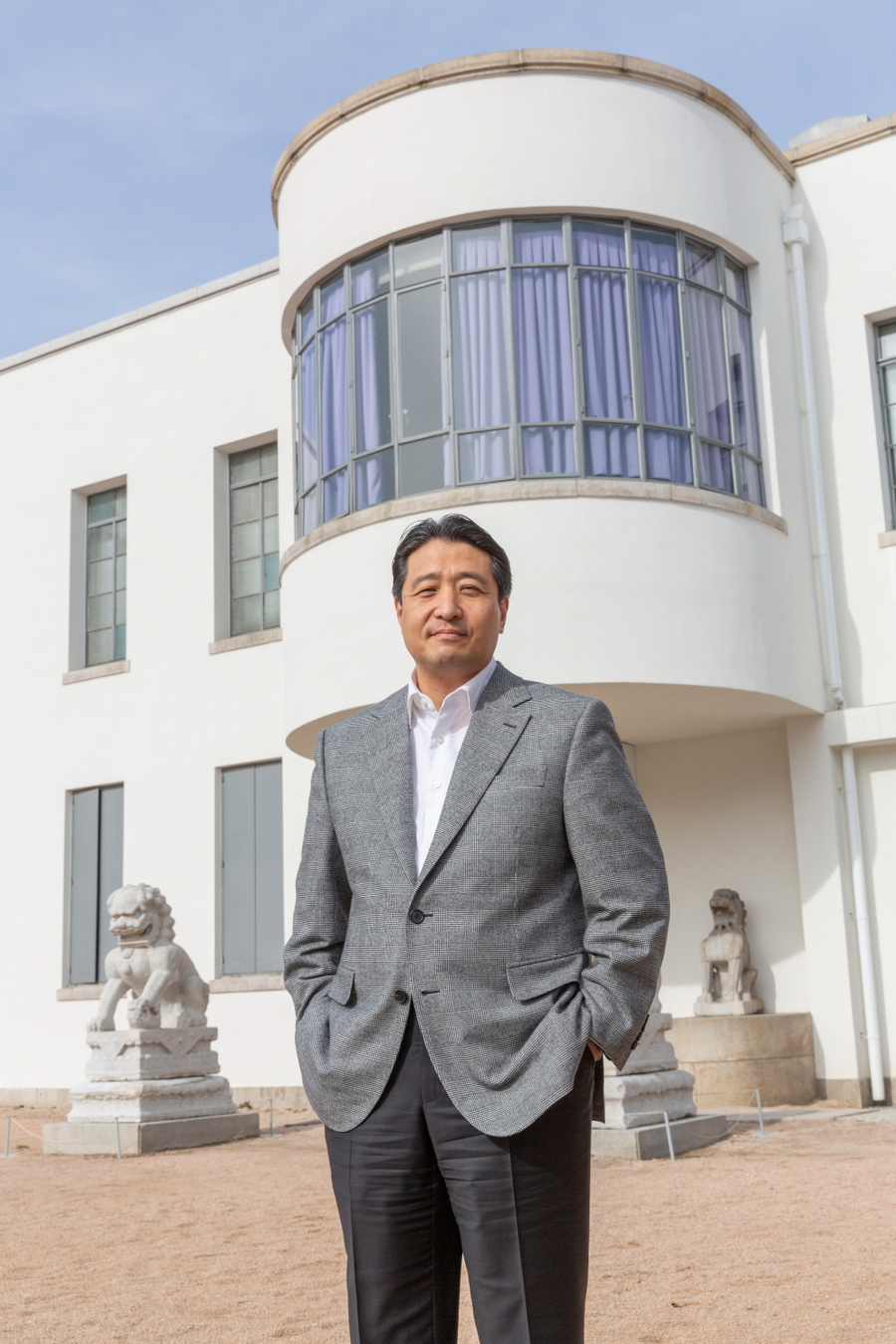
At the end of a quiet alleyway in Seongbuk-dong, Seoul, stands a pristine white building. The Kansong Art Museum is no ordinary exhibition venue, it is a space of fierce dedication that has preserved the identity and cultural foundations of the Korean people. At its helm is Director Jeon In-geon, who carries forward the legacy of his grandfather, Kansong Jeon Hyeong-pil. He continues Kansong’s philosophy of munhwa boguk—“protecting the nation through culture”—by weaving together technology, passion, education, and artistic practice to create a new experience of classical art.
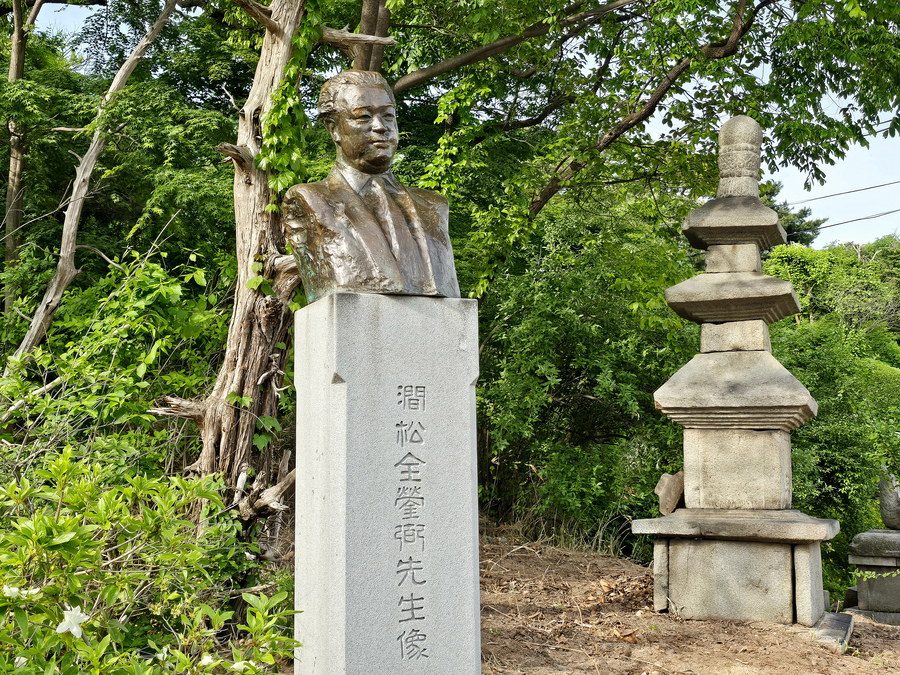
The Roots of Munhwa Boguk, and the Connection with Korea University
“My undergraduate major was history, and I went on to study educational administration in graduate school. I didn’t start my career in the museum field, as I initially worked in school operations. I really stepped into the field of education during the centennial anniversary project of Boseong School in 2006.”
For Director Jeon, Korea University is more than the place where he pursued his master’s, it’s a part of his family history. “My family has a long-standing relationship with Korea University. Its predecessor, Boseong College, was closely tied to Kansong.” Boseong Academy was founded on the basis of the ideals of Kansong’s mentor, O Se-chang, and the benefactor Yi Yong-ik. It played a key role in planning and executing the March 1st Independence Movement. “The Declaration of Independence was printed at Boseongsa, and it was distributed nationwide by Boseong students.”
Later, after Boseong Middle School was forced to close due to oppression ordered by the Japanese Governor-General, Kansong acquired it in the 1940s and began running both the middle and high schools.
Director Jeon recalls his time on campus as “short but memorable.” “Although I didn’t complete my degree, I remember the warm sense of community of the university.” He fondly remembers fellow students, working as a TA in Professor Kim Hyung-gwan’s office on the second floor of the Main Library, and the old eatery tucked behind the College of Engineering. Even today, as he leads the Kansong Art & Culture Foundation, what he learned at Korea University remains valuable. “Whether it’s schools, education, or art museums—it all comes down to nurturing people.”
Living Out a Belief that Transcends Time
The core philosophy he maintains at the Kansong Art & Culture Foundation is summed up in a single phrase: munhwa boguk—“protecting the nation through culture.” “It was the core belief of O Se-chang, and Kansong made it a reality.”
His tone is calm and measured as he speaks. According to Director Jeon, Kansong collected Korean cultural artifacts in response to Japan’s cultural plunder during the colonial era. The premise was that culture forms the spiritual backbone of the nation. “It wasn’t simply that he admired the works of Danwon Kim Hong-do or the beauty of Gyeomjae Jeong Seon. Kansong systematically collected works by their teachers, disciples, and contemporaries in order to build a foundation for post-liberation empirical research.”
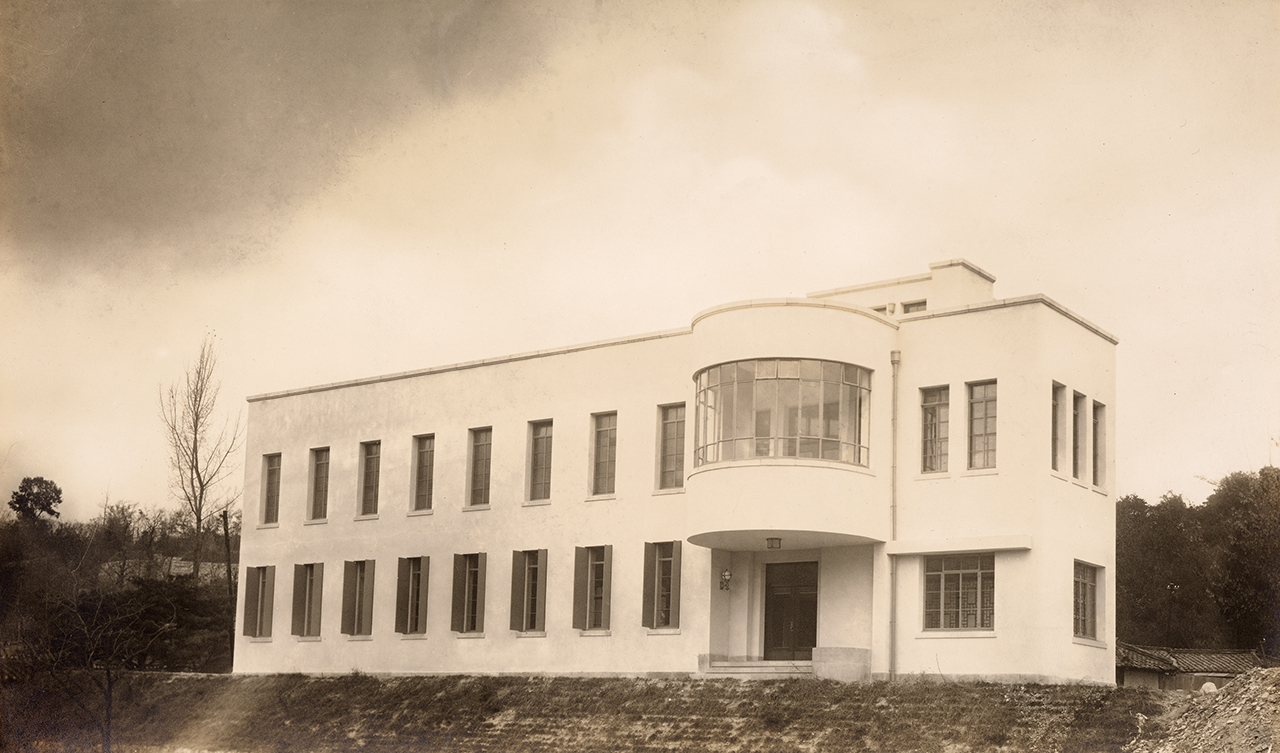
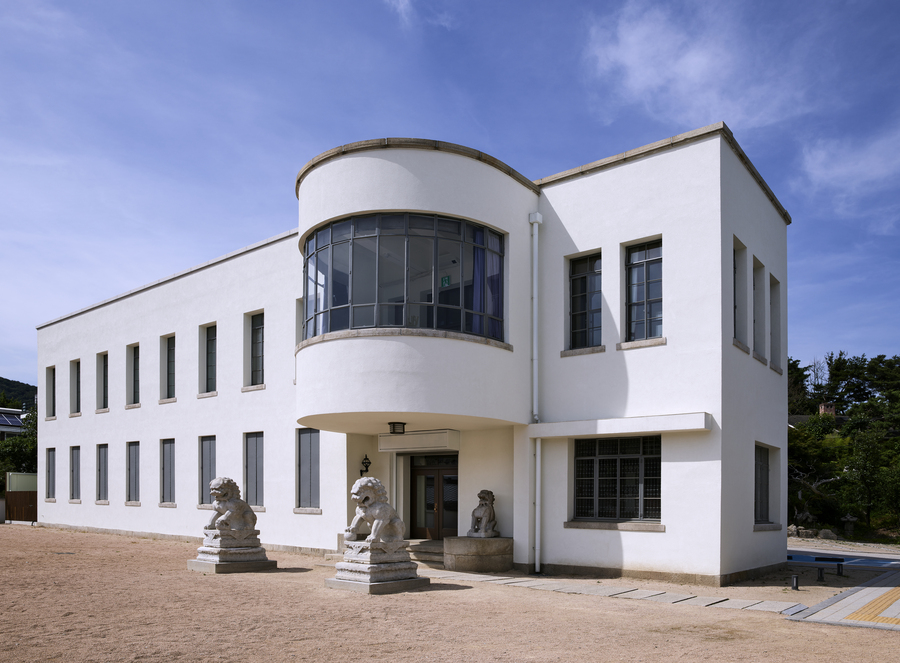
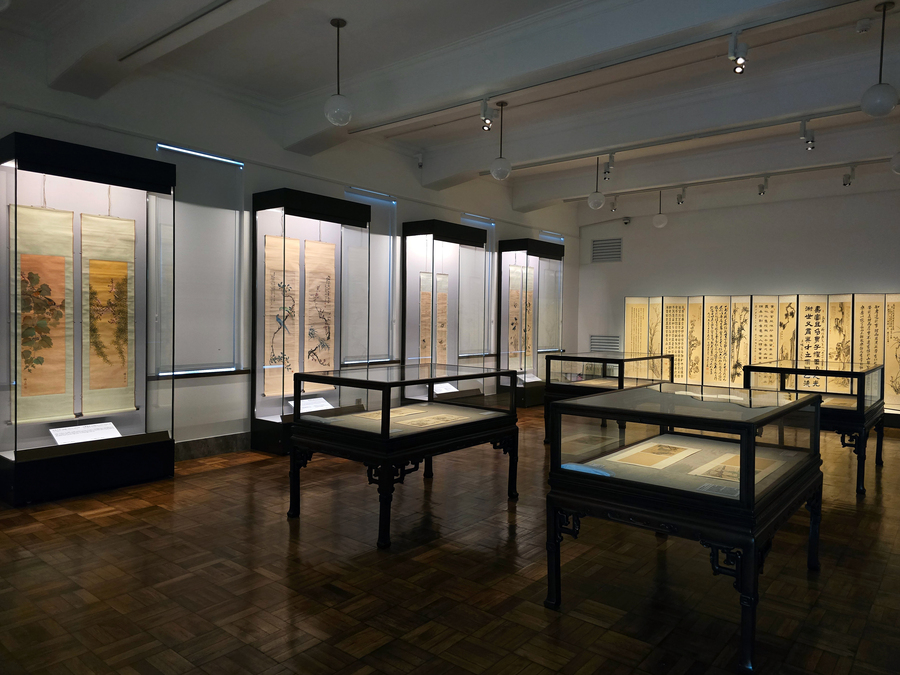
Founded in the 1970s on the basis of that collection, the Kansong Art Museum became known as the institution that opened its doors to the public for only four weeks a year, with the remaining 48 weeks being devoted to research. This reflected a deeply held belief that cultural heritage does not just consist of artifacts on display, but is a living entity that connects contemporary life and history through research and education.
Public interest in classical art reached new heights in 2008 with the airing of the TV drama Painter of the Wind. “The drama featured a beautiful famous painting from Kansong’s collection. Coincidentally, our annual exhibition was happening at the same time, and the response was overwhelming.” Lines stretched from the museum entrance all the way to Hansung University Station. Thousands waited over two hours to get in. “Before that, fewer than 100 people visited on any given day. That’s when I first felt that Kansong’s dream of a culturally engaged public might finally be realized.”
.jpg "금강내산 전시")
.jpg "삼청첩 전시")
Classical Art Meets Modern Technology
Kansong’s philosophy has since expanded through the assimilation of new technologies. Director Jeon explains, “We’ve always wanted to break the stereotype that culture from the past must remain in the past. Tradition is not something to preserve untouched—it must be refined and kept alive, so future generations can grasp it in their own hands.”
A turning point came in 2014 with a joint exhibition proposed by the Dongdaemun Design Plaza (DDP). It was a chance to introduce Kansong’s range of cultural heritage to a broader public. “Since then, we’ve collaborated with various companies and tech partners. Kansong Art Museum was the first in Korea to host an exhibition in which VR was integrated.” Director Jeon’s enthusiastic embrace of digital tools mirrors his grandfather’s own innovative spirit. “Kansong himself was an early adopter. He took many photos with a Leica camera and brought RCA audio equipment into Korea for the first time.”
This spirit of innovation continues into 2025, with exhibitions incorporating video, sound, and data technologies. From NFT art and immersive media shows to VR experiences and exhibitions involving scent and sound, Director Jeon is translating Kansong’s legacy through the language of modern tech. The immersive media art exhibition currently on display at DDP, When the Clouds Clear, the Moon Shines, the Wind Blows, and the Stars Twinkle, exemplifies the approach to art as something to experience with all five senses. Through these experiences, future generations encounter tradition naturally and intimately.
“When someone is moved by the experience, they come back on their own next time,” Jeon notes. His vision for the future isn’t simply about expanding the museum’s exhibitions, it’s also about building a strong cultural infrastructure for the next generation by balancing research, education, preservation, and appreciation. This is the modern e-x-p-r-e-s-s-i-o-n of munhwa boguk, the mission Kansong established and which Jeon In-geon now carries forward.
.jpg "대구간송미술관 전경")
From Seoul to Daegu—and Beyond
In 2024, Kansong Art Museum expanded beyond Seongbuk-dong, Seoul, and opened a new venue in Daegu. The goal is to allow people in other regions and of all generations to experience the cultural philosophy of Kansong. Jeon cites two reasons for choosing Daegu: its historical significance as a center for the National Debt Repayment Movement, the March 1st Movement, and the democratization movement, and the city’s strong cultural sensibility and demand for the arts. “It’s only an hour and a half from Seoul, but culturally, it offers a completely different point of contact. The sold-out shows, visitor numbers, and responses have exceeded all expectations.”
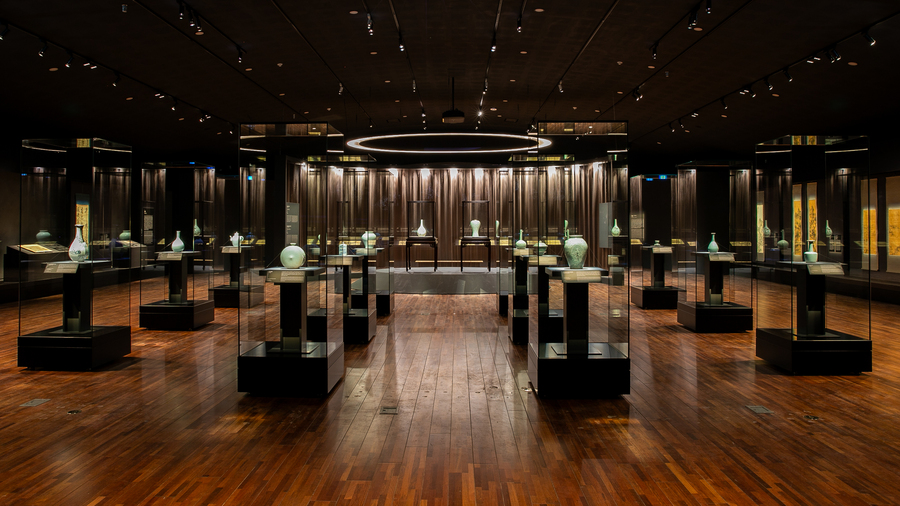
The Daegu Kansong Art Museum was designed as a space where culture is part of everyday life, and it goes beyond exhibitions to include regular programming and education-focused initiatives. From tailored educational programs for various age groups to collaborations with local archives, Director Jeon’s approach demonstrates how classical art can live and breathe within a community. “Culture shouldn’t be reserved for a certain class. The ideal is for everyone to encounter it, experience it, and embrace it in their own way.”
He views exhibition attendance not as a hobby but as a life-enriching experience. That’s why he actively encourages his Korea University juniors to engage with the arts. “Going to an exhibition isn’t just about viewing something, it’s about finding a point of connection between yourself and a new world. And for KU students in Seoul, it’s completely accessible. If you’re thinking of entering the cultural or arts fields, you should experience it firsthand. Come, see, feel, and be moved. There’s no more meaningful starting point than that.”
Designing Culture for the Next Generation
Director Jeon is not only a guardian of cultural heritage, but a developer of cultural infrastructure for future generations. He is currently focused on the preservation of venerable texts in the Daegu and Gyeongsangbuk-do region. Areas like Andong and Sangju, with deep Confucian traditions, are home to countless ancient documents, books, and manuscripts, but these are increasingly threatened by climate change. “In the past, the archival systems our ancestors built were adequate. But now? Summer humidity, fine dust, mold—these are disastrous for old texts.”
To respond, Kansong Art Museum is establishing a specialized storage facility for these texts within its Daegu branch, and is planning to build a preservation science hub in the long term. “We don’t want to just store things, we want to create an integrated model that links preservation with research, education, and practical use.”
Jeon’s belief that preserving tradition means allowing it to breathe organically within everyday life through education, community outreach and activities, and technology is continuously evolving. Munhwa boguk—protecting the nation through culture—is being reborn today through his work.
""Once someone is deeply moved, they will come back on their own and open the door next time." "