- writing date 2025.05.20
- author Communication Team
- hits 128
Director Na Chae-seon

Wild plants are a foundation of the earth’s ecosystem, so their preservation is critical. Based on this awareness, research on wild plant seeds, which until now has been neglected, is actively being con-ducted worldwide. In Korea as well, institutions equipped with outstanding researchers and facilities have been launched one after another, and rapid development has been achieved in recent years. One of the researchers who has spearheaded this change is Na Chae-seon, a graduate of KU. For her, stud-ying and preserving seeds is a mission for the future of the earth.
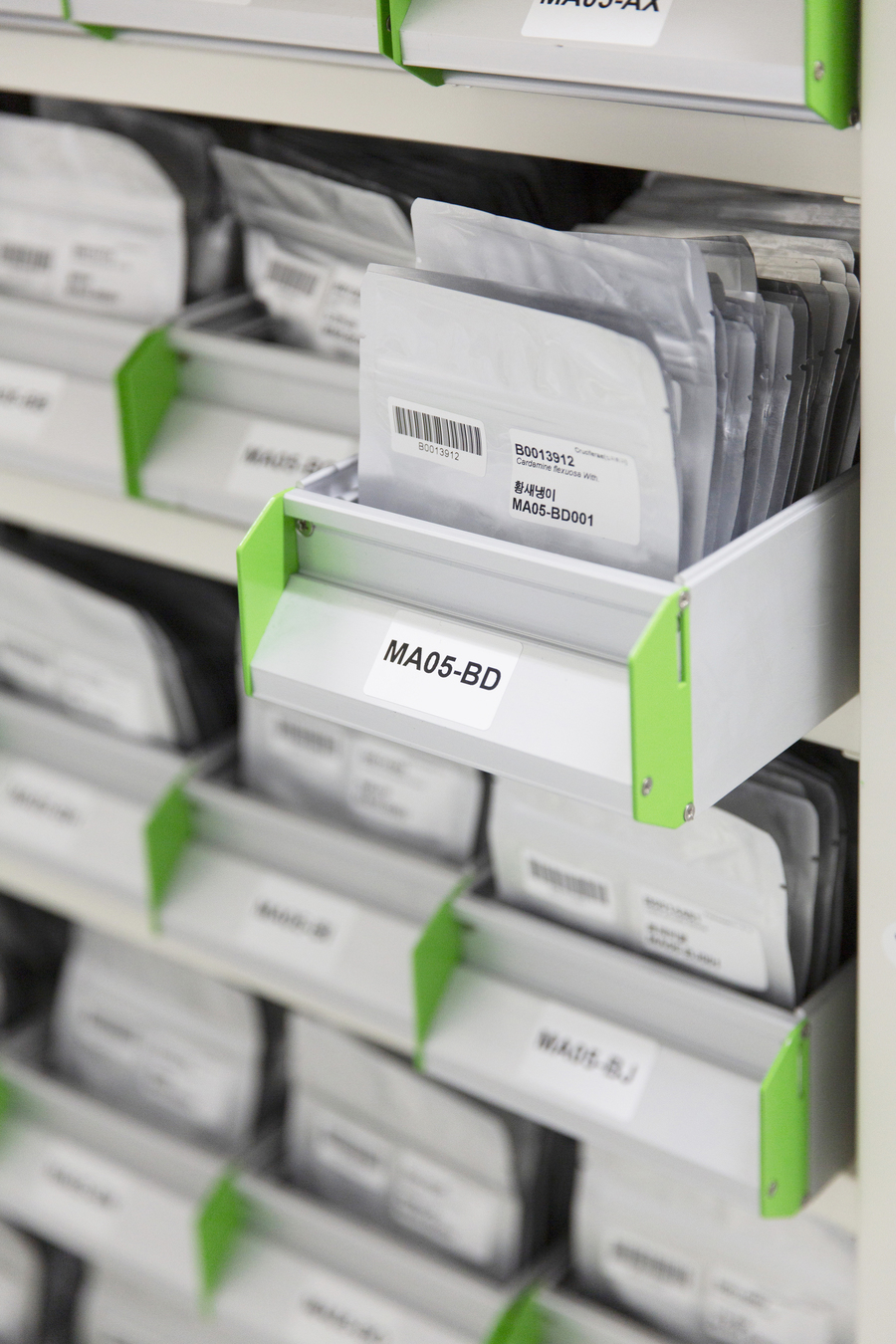
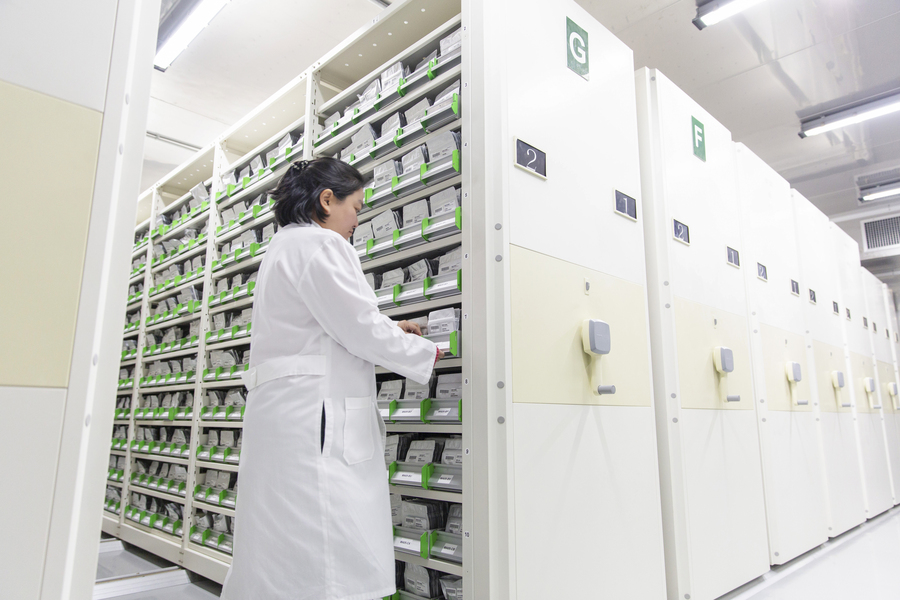
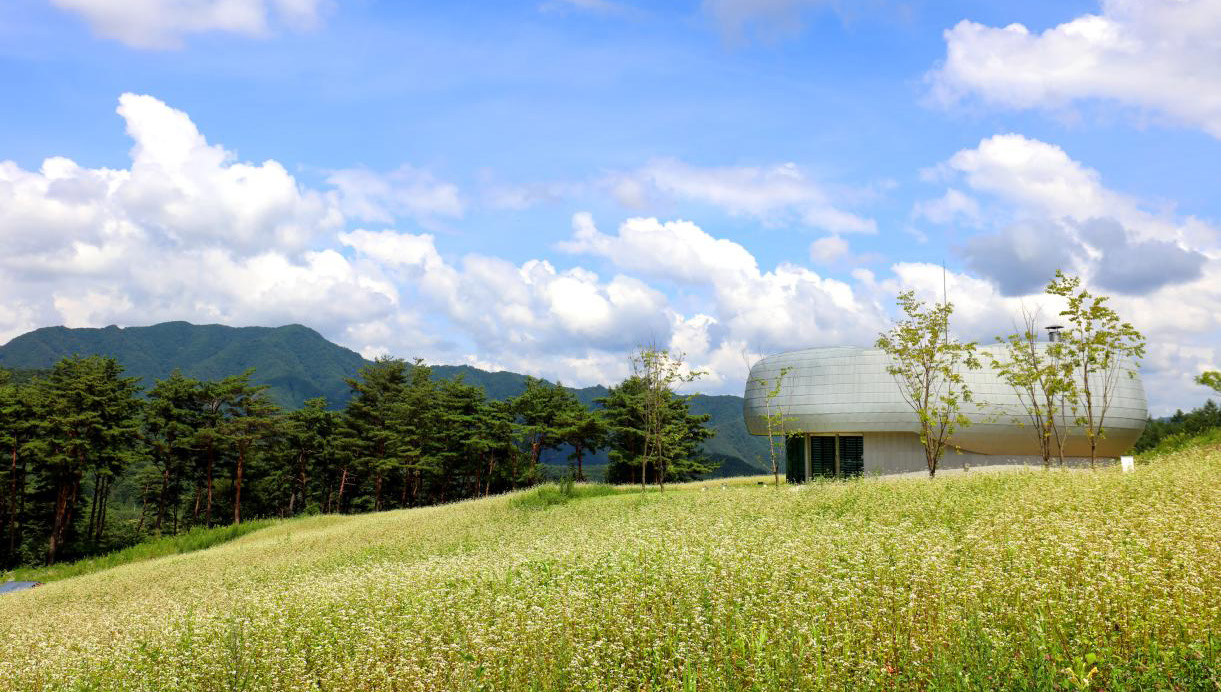
Her workplace, the Baekdudaegan National Arboretum, is located in Bonghwa, Gyeongbuk. Baekdudaegan refers to the mountain range that extends from Mt. Baekdu to Mt. Jiri, and the National Baekdudaegan Arboretum was established in 2017 for the purpose of preserving the region’s alpine plants. In particular, the arboretum operates a seed bank for the long-term storage of plant seeds, as well as a seed vault, one of only two in the world. Na calmly explained the difference between a seed bank and a seed vault. “There are already 1,700 seed banks worldwide, including several seed banks in Korea. On the other hand, there are only two seed vaults in the world, one in Norway and the other in Korea.”
To put it simply, a seed bank is a “living storage” where seeds are preserved and can be taken out for research or cultivation when needed. Seeds may be freely brought in and taken out, and various exper-iments and applications are carried out using them. In contrast, a seed vault can be considered as an “ultimate safe” for humankind. “It is a special facility that is built in preparation for a global catastro-phe that could lead to the extinction of seeds. In Norway, the seed vault mainly stores seeds for culti-vated crops, while the seed vault in Korea stores seeds for wild plants. The basic premise is that seeds placed in the seed vault are essentially never taken out again. It is designed so that they will not be taken out unless the earth turns into an environment that wild plants can no longer inhabit.”
Both facilities precisely control their internal environments to ensure the stable preservation of seeds. The temperature and humidity are kept constant, and the seeds sleep in a space that is completely iso-lated from the outside. She explained, “Both the seed bank and the seed vault are set to the same envi-ronmental conditions, and important seeds are stored in duplicate in both facilities. This is done as preparation for even the slightest possibility.”
Notably, the Baekdudaegan National Arboretum is the only place in the world that has both a seed bank and a seed vault for wild plants. It's not just about having large-scale facilities; it holds symbolic significance as a seed preservation hub where the three functions of research, preservation, and utili-zation are organically carried out in a single place. Cautiously reflecting on the importance of her work in viewing the future of the earth’s ecosystem, she said, “Here is truly the optimal environment for wild plant seed research.”
Focusing on research on wild species from which cultivated plants originated
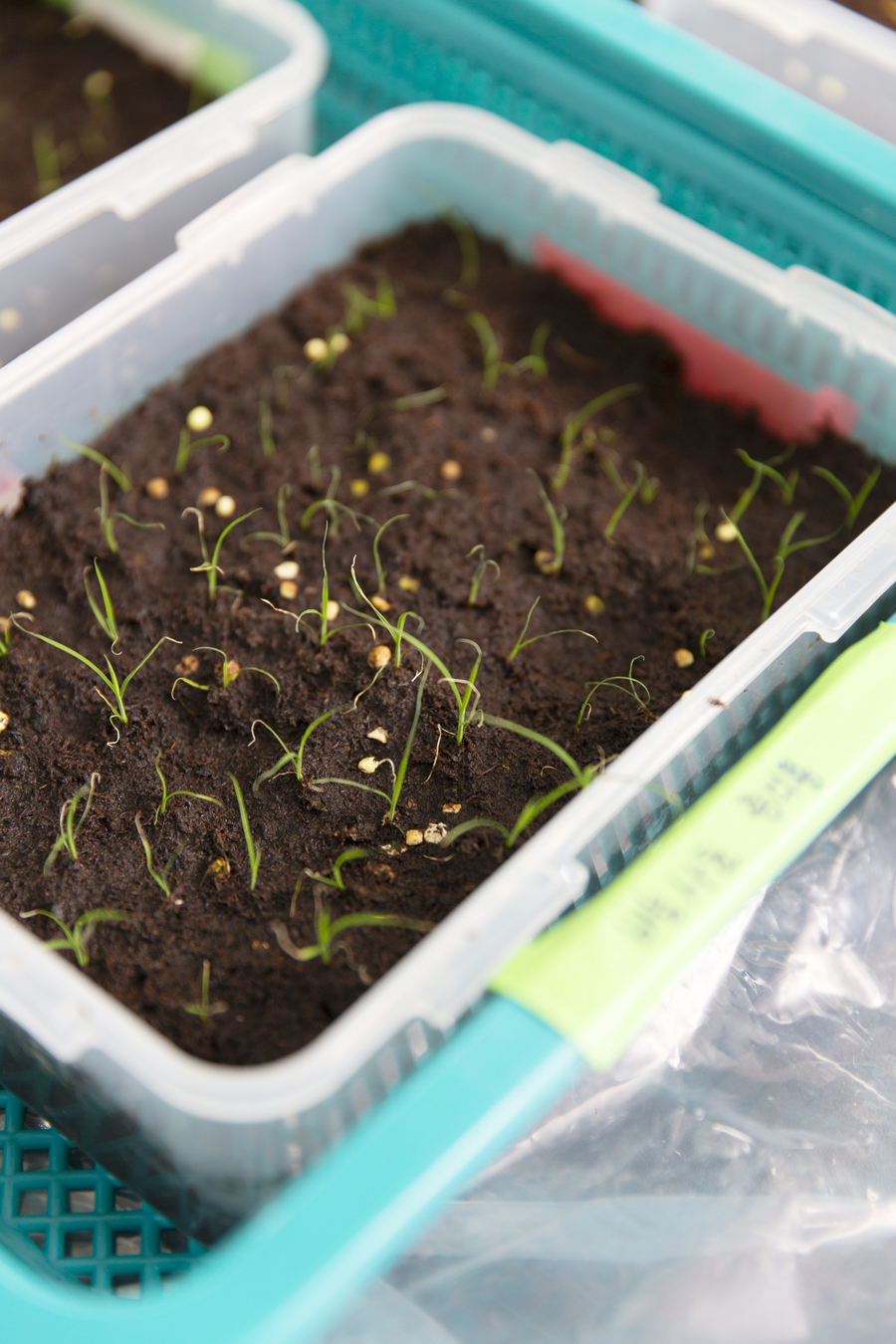
The Wild Plant Seed Research Lab that Na leads deals with a variety of fields, ranging from seed res-toration centered on the seed vault to seed utilization and seed sovereignty security. Among them, re-search on how each seed can be stored, under what conditions, for how long, and under what condi-tions it wakes up from dormancy and how it germinates provides crucial data for future seed restora-tion.
“In 2009, lotus seeds from the Goryeo Dynasty were discovered at an excavation site in Haman, Gyeongnam. Experts worked hard to get them to germinate, and they actually bloomed. That means that they waited 700 years to bloom. It was possible because lotus seeds are very hard, and they were probably well preserved because they were buried in the mud. One of our most important tasks is to research and preserve the seeds stored here so that they can be used in the future. Much research hasn't been done on wild plants, so there’s still a lot to be discovered. That also means new findings are constantly emerging. I think that's the most attractive part of this research.”
.jpg "백야생식물 종자실의 종자와 식물 표본 수집 활동")
What Na is focusing on these days is studying wild species that are the origins of cultivated plants. All the crops that we eat are derived from wild species that were bred for easy cultivation and high yields. The problem is that they all have the same genes, making them especially vulnerable to new infectious diseases. Studying the wild species from which modern crops originated increases the possibility of finding ways to resist such diseases. This is because wild species have a diverse gene pool that changes depending on the natural environment.
Accordingly, a project to discover and preserve crop wild relatives (CWR), which are relatives of cul-tivated crops, has been underway since 2010, mainly in Europe. In Korea, the first research began un-der Na’s leadership in 2021. Using the current research results, she plans to apply on behalf of Korea to a large-scale global project related to CWR hosted by the EU at the end of this year. She said, "It is a significant achievement just to be able to take on the challenge because the qualification require-ments for application are very strict. Being selected for that research project is my biggest goal at the moment.”
.jpg "표본 수집 활동")
KU provides the optimal environment for wild plant research
She was a sophomore in KU when her first connection with seeds began. As an undergraduate student working part-time in the lab of Professor Kang Byeung-hoa (currently Professor Emeritus), a re-nowned authority on wild plant research, Na became curious as she closely observed Professor Kang’s passionate devotion to wild plant research that few were interested in. She followed her mentor into becoming a researcher, and after receiving her doctorate, moved to Austria and worked for a renowned seed research group.
Having spent nearly four years in Europe, which is at the forefront of wild plant research, she hoped to utilize her experiences in Korea. She got that opportunity when the Baekdudaegan National Arboretum Seed Bank opened. Having participated from the seed bank’s preparatory stages, she gradually filled in the “blank slate” of the seed bank by introducing necessary laboratory equipment and establishing a research system. Through multifaceted efforts such as recruiting capable researchers and strengthening global networks, she has achieved remarkable progress. “I was lucky,” she humbly said, but such progress would not have been possible without her passion for seed research.
When she started her research, there was no suitable research institute in Korea, so she had to go to Austria. However, the infrastructure in Korea has greatly improved, and she hopes that KU will be able to foster future seed researchers.
“Particularly, KU has a research environment specialized in wild plant seed research. There is the Wild Plant Seed Bank created by Professor Kang Byeung-hoa, who donated the seeds that he had collected throughout his lifetime, and above all, the professors who pioneered this field, which was virtually barren, are our greatest strength. I even hear jokes from around us saying, ‘It seems that KU is taking up all the seed research,’ as we actively work in various places, helping and supporting each other (laughs).
“This work may not yield immediate results, but it is a research topic that is essential in the era of climate change, and there are many opportunities for international collaboration. I hope that more young students will enter this field and use their alma mater's solid research infrastructure as a stepping stone to broaden their research horizons.

“Wild seeds won’t germinate unless the conditions are right. On the other hand, when the conditions are met, they will sprout even after hundreds of years.”